SMT vs. SMD
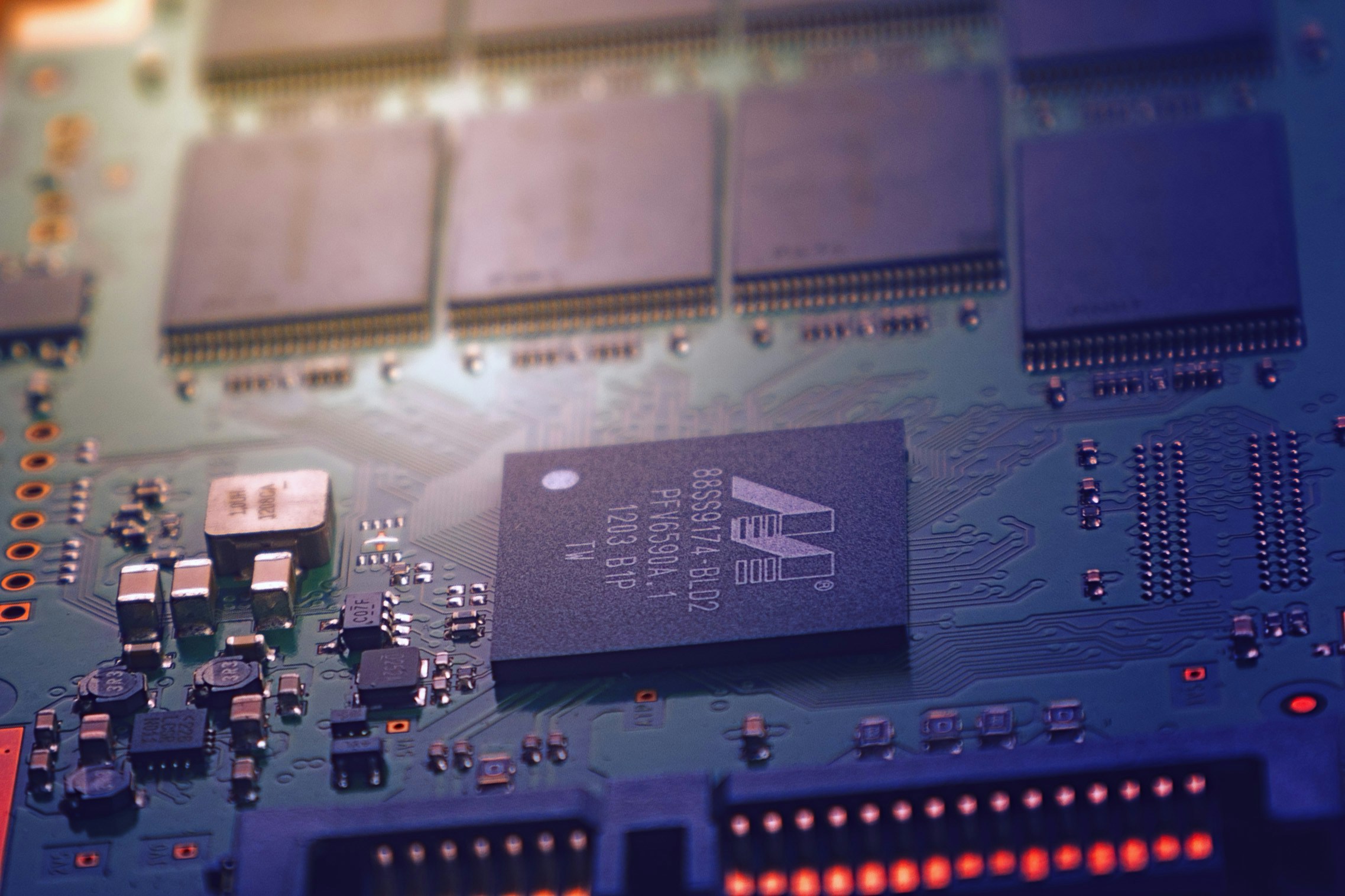
Surface Mount Technology (SMT) and Surface Mount Devices (SMDs): Key Enablers of Modern Electronics.
Surface Mount Technology (SMT) is a modern electronic manufacturing process used to assemble and solder surface mount devices (SMDs) onto printed circuit boards (PCBs). This manufacturing technique has replaced traditional through-hole component assembly methods, enabling miniaturization, efficiency, and high integration in electronic products.
Surface Mount Devices (SMDs) are electronic components that are designed to be mounted on the surface of a PCB using SMT technology. These components have leads that connect directly to the PCB surface, eliminating the need for through-holes. SMDs come in a variety of packages, including small outline integrated circuits (SOICs), quad flat packages (QFPs), and ball grid arrays (BGAs).
Key Differences between SMT and SMDs:
Scope:
SMT is a manufacturing process that encompasses the assembly and connection of components, while SMDs refer to a specific type of component packaging.
Application:
SMT has a broader application, encompassing the assembly of various types of components, while SMDs primarily describe a component packaging style.
Component Types:
SMT technology can be applied to a wide range of components, including SMDs, ball grid arrays (BGAs), and others, while SMDs only refer to components with surface mount packaging.
In summary, SMT is a comprehensive manufacturing technology that includes SMDs, while SMDs are just one type of component packaging. In modern electronics manufacturing, SMT and SMDs are typically used together to achieve more efficient, lightweight, and high-performance electronic devices.