DIP Assembly
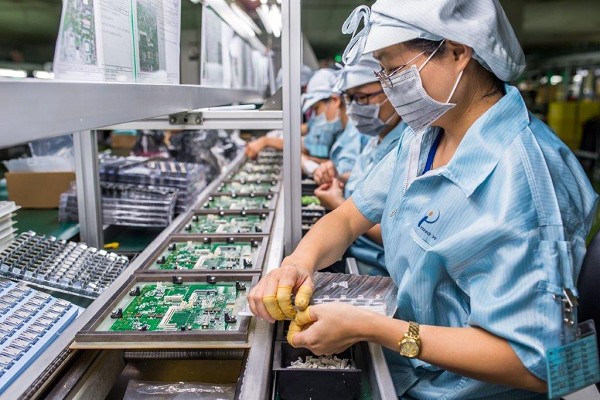
DIP Plug-in Assembly: A Reliable and Cost-Effective Manufacturing
DIP plug-in assembly is a critical electronic manufacturing service that is particularly suited for applications where high reliability is essential. DIP assembly is a traditional and widely used technique that involves the installation and soldering of through-hole components onto a circuit board. These components are typically arranged in a dual-inline format, creating a plug-in structure.
Key Advantages of DIP Plug-in Assembly:
Highly Reliable Connections: DIP plug-in assembly provides a highly reliable connection method, which is crucial for applications that demand stability and long-term operability. Through-hole soldering technology ensures a strong and reliable electrical and mechanical connection between the components and the circuit board, helping to reduce issues caused by environmental changes.
Wide Range of Applications: DIP plug-in assembly is widely used in various industries, including medical, automotive, communications, and industrial control. Due to its reliability and stability, DIP technology is particularly favored in applications that require high durability and long service life.
Versatile Component Adaptability: DIP assembly can accommodate a wide variety of components, including integrated circuits, resistors, capacitors, and other through-hole components. This versatility makes DIP plug-in assembly a flexible option that can meet the requirements of diverse applications.
Cost-Effectiveness: While SMT technology has surpassed DIP assembly in some aspects, DIP plug-in assembly remains competitive in terms of cost-effectiveness. For certain applications, especially those that require manual intervention during the manufacturing process, DIP technology may be more cost-attractive.
DIP plug-in assembly continues to play a significant role in the electronic manufacturing landscape. Its advantages in terms of reliability, versatility, and cost-effectiveness make it an ideal choice for specific applications.